Reality TV looks effortless on screen. It isn't. Behind every episode that makes it to air sits a production infrastructure built to survive weather, terrain, equipment failure and impossible deadlines, and at Visual Impact, that infrastructure has been 25 years in the making.
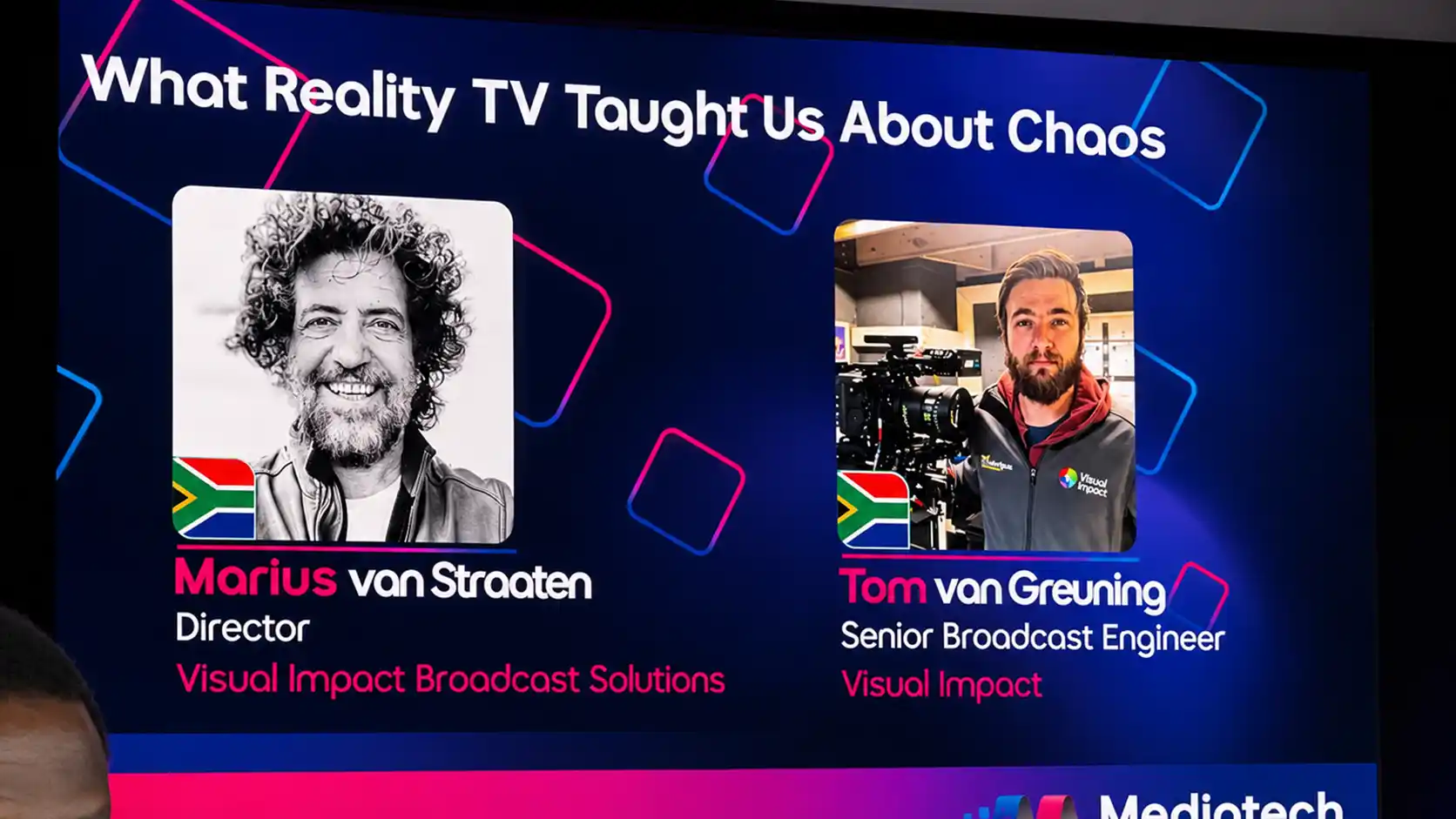
Visual Impact’s Marius van Straaten and Tom van Greuning shared that history at Mediatech Africa 2026, but the story itself goes back much further than the stage it was told from. Here's the journey.
Where It Started: 2001
It began in 2001, at the very start of Visual Impact's reality TV run. There was no playbook. Purpose-built rigs and dedicated reality TV workflows didn't exist yet – crews were learning the format's demands in real time, building solutions on the fly. Improvisation wasn't a fallback. It was the method.
A Long Way From Home
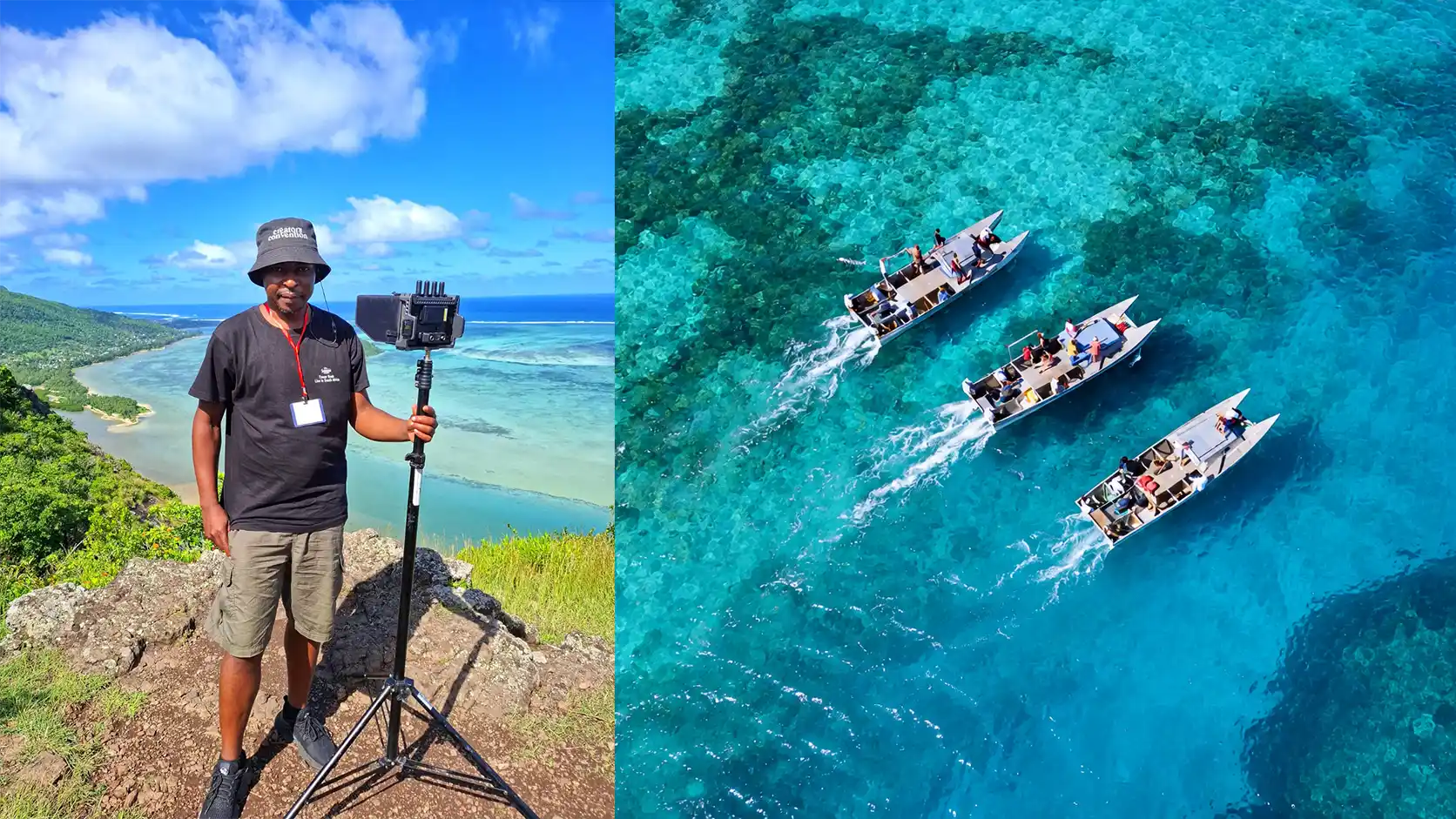
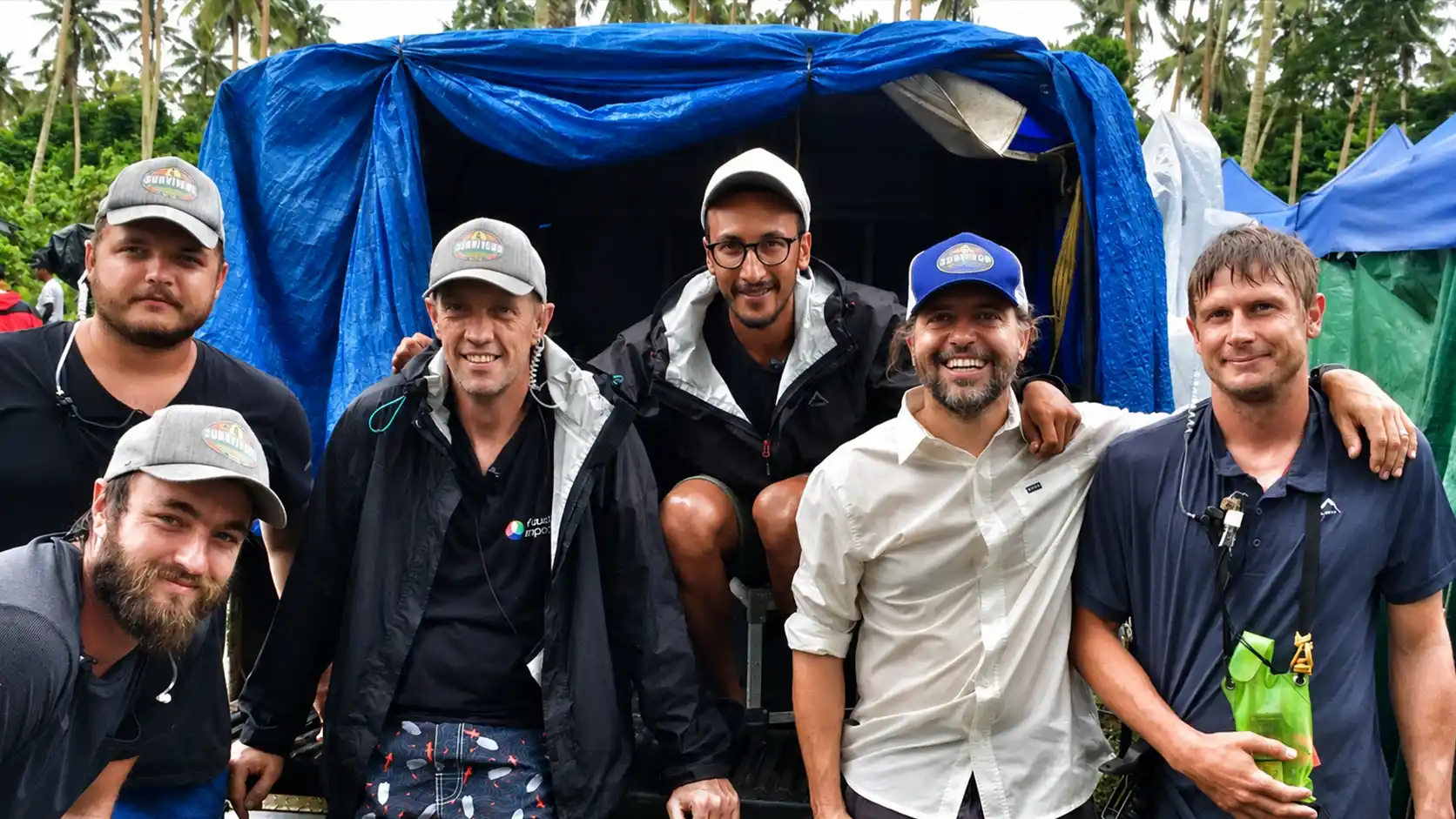
Reality TV doesn't wait for convenient locations. Over the years, that's taken Visual Impact's crews as far as Samoa, and beyond that, the productions Tom van Greuning has built a career on:I'm a Celebrity… Get Me Out of Here!in Hungary, andSurvivor South Africafilmed in the Philippines. These aren't studio shoots. They're full technical operations – cameras, transmission, power and crew – dropped into remote environments and expected to run flawlessly, every day, for weeks on end, with no local infrastructure to fall back on.
None of it works without the unglamorous groundwork done long before a single frame is shot: crew and equipment preparation that starts weeks out and accounts for everything that could go wrong once you're on the ground.
Lamps in Trees, and Other Improvisations
Some of the most memorable moments from these productions don't have tidy names: rigging lighting in natural environments with no fixed points to work from, keeping equipment running through weather that has no interest in the shoot schedule. Water, heat, humidity, remote power – the environment is rarely cooperative, and the job is to make it look like it was.
2014: Best Day, Worst Day
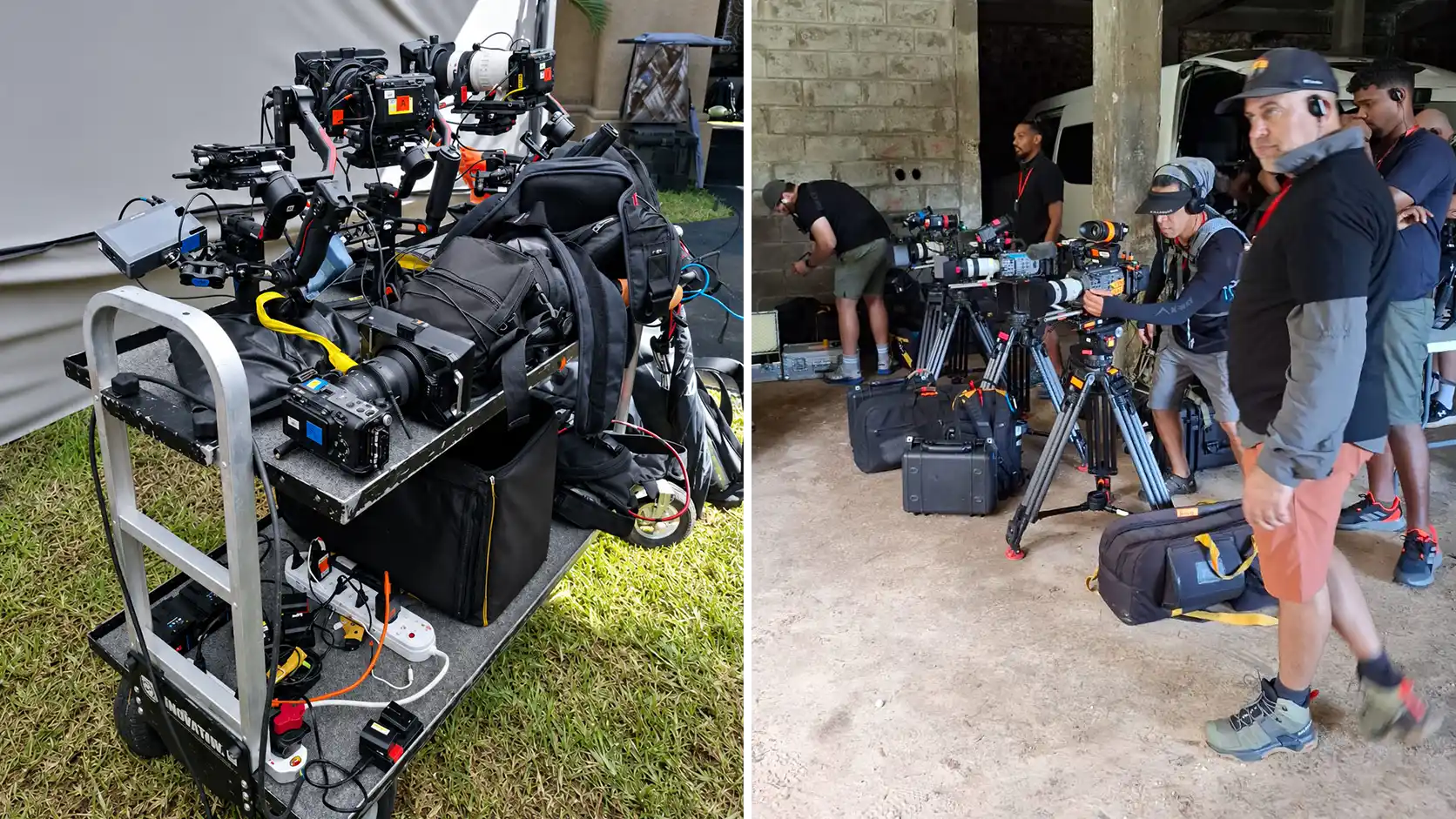
The sharpest story from those 25 years comes from 2014. On location, lightning took out the entire camera infrastructure in one strike; every camera in the field, gone in an instant, mid-production. There was no calling it a day. What followed was a stretch of engineers working through the night, repairing equipment while the production carried on around them, so the show didn't lose a single day of footage.
It's the kind of story that explains what came next, the remedy, and the recovery, and why, when Marius has talked about this moment since, he doesn't dwell on the disaster. He dwells on the fix. When production breaks, it's not the brand on the camera that saves the day. It's the person who knows how to repair it at 2am, in the field, with whatever's on hand.
Other Challenges
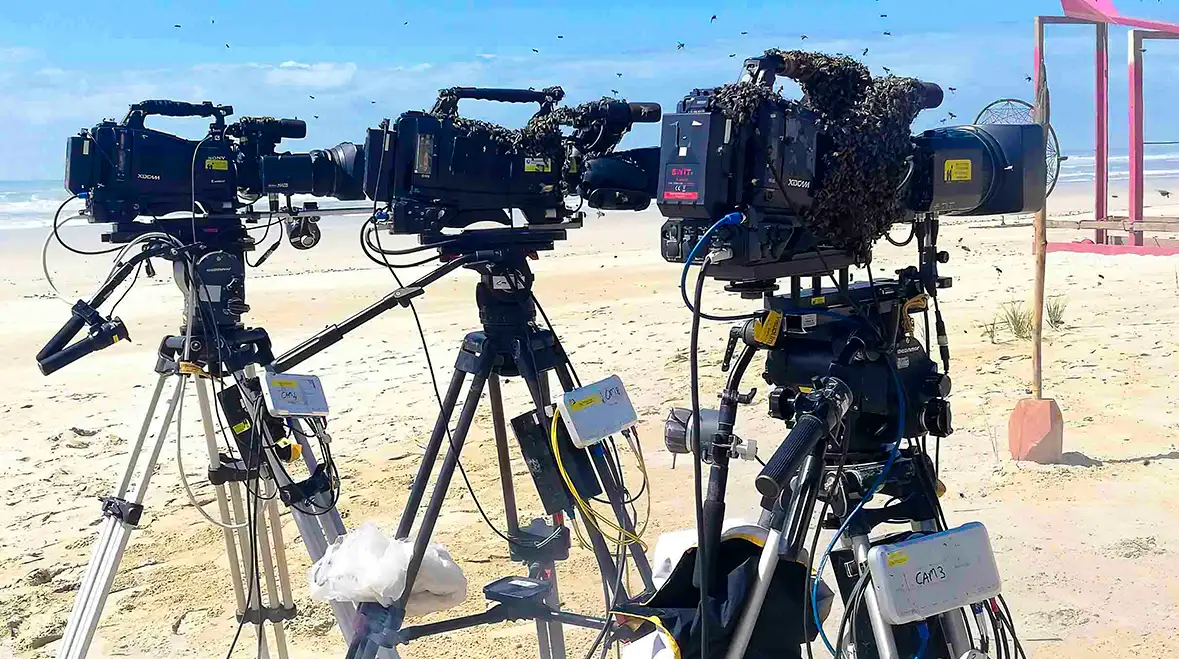
Not every challenge came from the weather or the terrain. OnSurvivor South Africa, during a beach shoot in KwaZulu-Natal, a swarm of bees attached itself to the cameras. To this day, no one on the crew is entirely sure why, though thankfully no one was hurt.
Rigging cameras in the field has also meant the occasional run-in with snakes, turning up in exactly the spot a crew needs to place a lens or run a cable. And on productions filming 24/7, fixing a broken camera sometimes meant staging a small covert operation of its own: timing the repair carefully enough to avoid being caught on any of the other cameras still rolling.
Technology Has Changed. The Job Hasn’t.
The technical landscape has shifted enormously across those 25 years. Large-sensor cinema cameras have moved into multicam broadcast environments that used to run exclusively on two-thirds-inch sensors. PTZ (pan-tilt-zoom) cameras have replaced intrusive handheld operators standing over contestants during intimate moments. Wearable cameras have given reality formats a level of closeness that simply wasn't technically possible when this all started in 2001.
But across every one of those shifts, one thing hasn't changed: it is always the people. Whatever the technology does, the constant has been the crews and engineers who make productions work under pressure, in bad weather, in remote locations, on broadcast deadlines that don't move for anyone (like the ones who show up at 2am with a soldering iron because the alternative is a blank screen at 7pm).
Where Reality TV Goes Next
The next chapter is already taking shape. AI is starting to reshape content production, and reality TV won't be exempt. New tools will change some roles and create others, the same way the industry moved from film to HD and from pre-internet to always-online production, without ever really slowing down.
The people who've adapted best across 25 years are rarely the ones most attached to a particular piece of gear. They're the ones focused on the one thing that hasn't changed: getting the show on air, on time, no matter what happened on set that day.
Twenty-five years in, that's still the job.
Marius van Straaten and Tom van Greuning shared this history in their session “25 Years of Reality TV: What Does It Take to Make It Actually Work?” at Mediatech Africa 2026.
Stay Informed with
Top Headlines