A control room, from the client side of the glass, looks deceptively simple: a wall of monitors, a desk, a signal that behaves. What's invisible from that vantage point is the sheer volume of decisions that had to go right before the system was ever switched on; the cable runs, the signal routing, the redundancy built into every point that cannot be allowed to fail.
Systems integration is where Visual Impact's engineering team spends most of its quiet, unglamorous hours. It's also where the real value of a broadcast partner is either earned or exposed.
Design Before Install
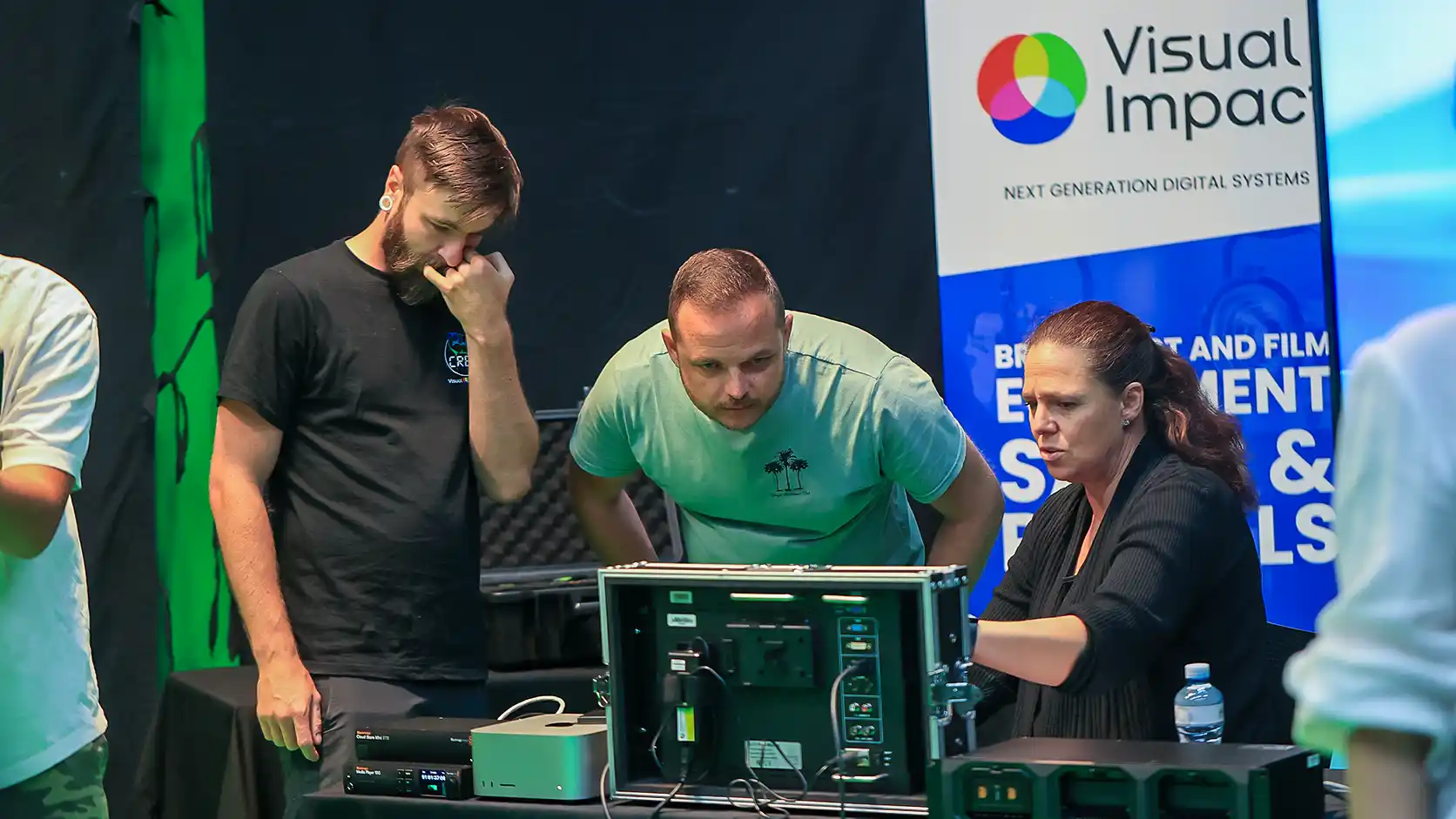

No studio build, OB van fit-out, or control room upgrade at Visual Impact begins with a cable spool. It begins on paper. The engineering team maps the full signal chain; camera to switcher to router to record chain to transmission, long before a single connector is crimped, because the system that goes live on day one has to be the same system engineered to still be working on day two hundred.
Not a patchwork that happened to hold for the launch broadcast, but an architecture built to be lived in.
That distinction matters more than it sounds. A studio that performs perfectly on opening night and starts showing cracks by month three hasn't really been integrated; it's been assembled.
The difference is whether anyone thought past the ribbon-cutting. (P.S. We do.)
Built for How South African Productions Actually Run
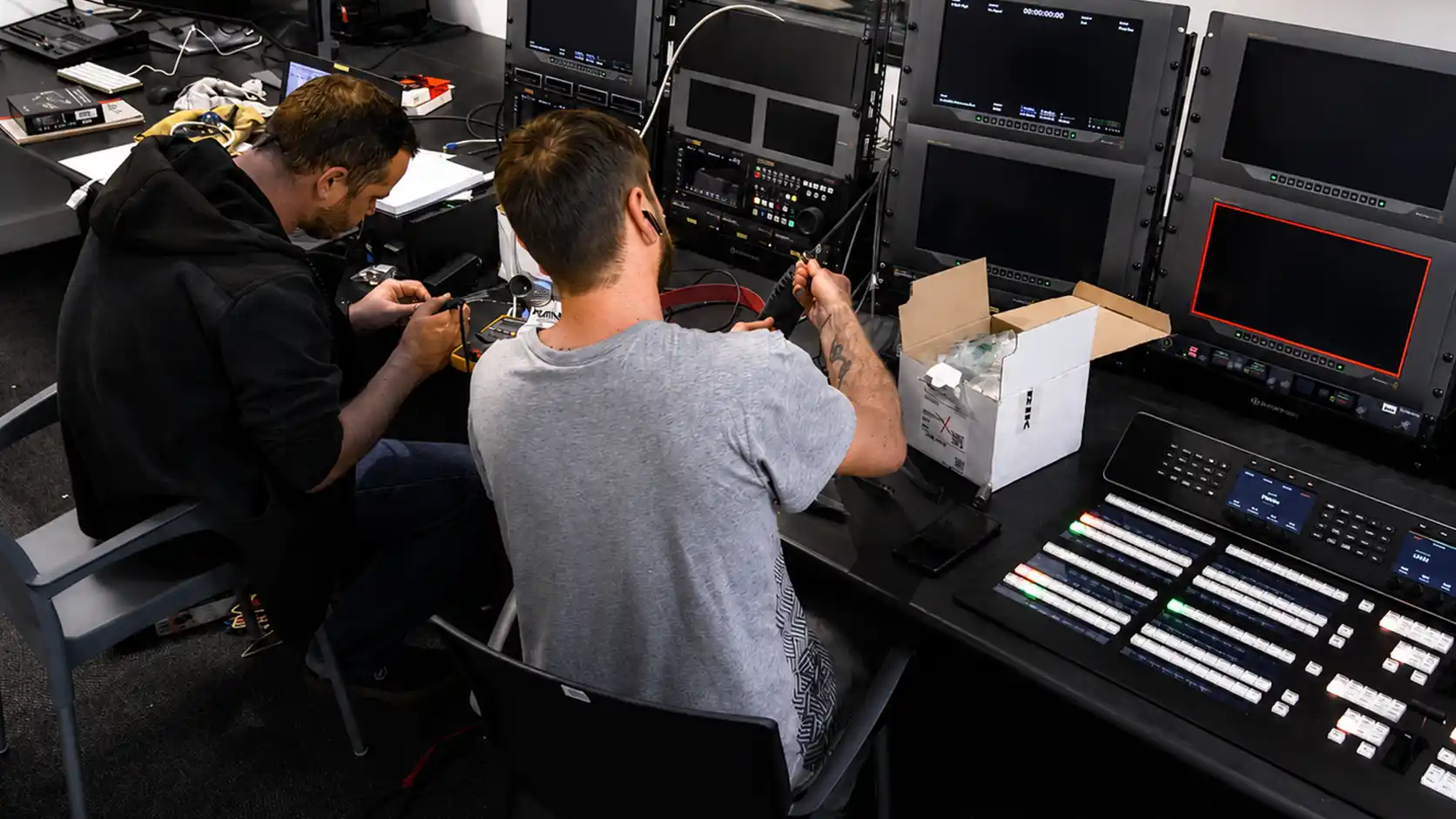
Infrastructure specified for a studio in London or Los Angeles doesn't automatically survive load shedding, generator changeovers, or a remote site with an unreliable connection. It has to be adapted, and that adaptation is where a lot of integration expertise actually lives.
In practice, that means UPS and backup power specified at every critical point in the signal chain, not just the obvious ones. It means redundant paths built in for anything that genuinely cannot go black on air. And it means testing failover scenarios on the bench, before a client is ever in a position to discover – mid-broadcast – whether the backup actually works.
There's a version of systems integration that only exists on a spec sheet, and a version that's been stress-tested against the specific conditions of the country it's operating in. Only one of those is worth paying for.
Integration Is a Relationship, Not a Handover
A build doesn't end when the last cable is dressed and labelled. That's usually where the quieter, second phase of the relationship begins: firmware updates, workflow changes, the "can we also add this" conversation that surfaces 18 months later, once a client has lived inside the system long enough to know what they actually need from it.
Visual Impact's engineering team stays attached to what it builds. That's a deliberate choice, not a courtesy, and it's the clearest line between a systems integrator and a supplier that disappears the moment the invoice clears. Because the invoice is rarely where the real value of the work shows up.
From Broadcast to Virtual Production
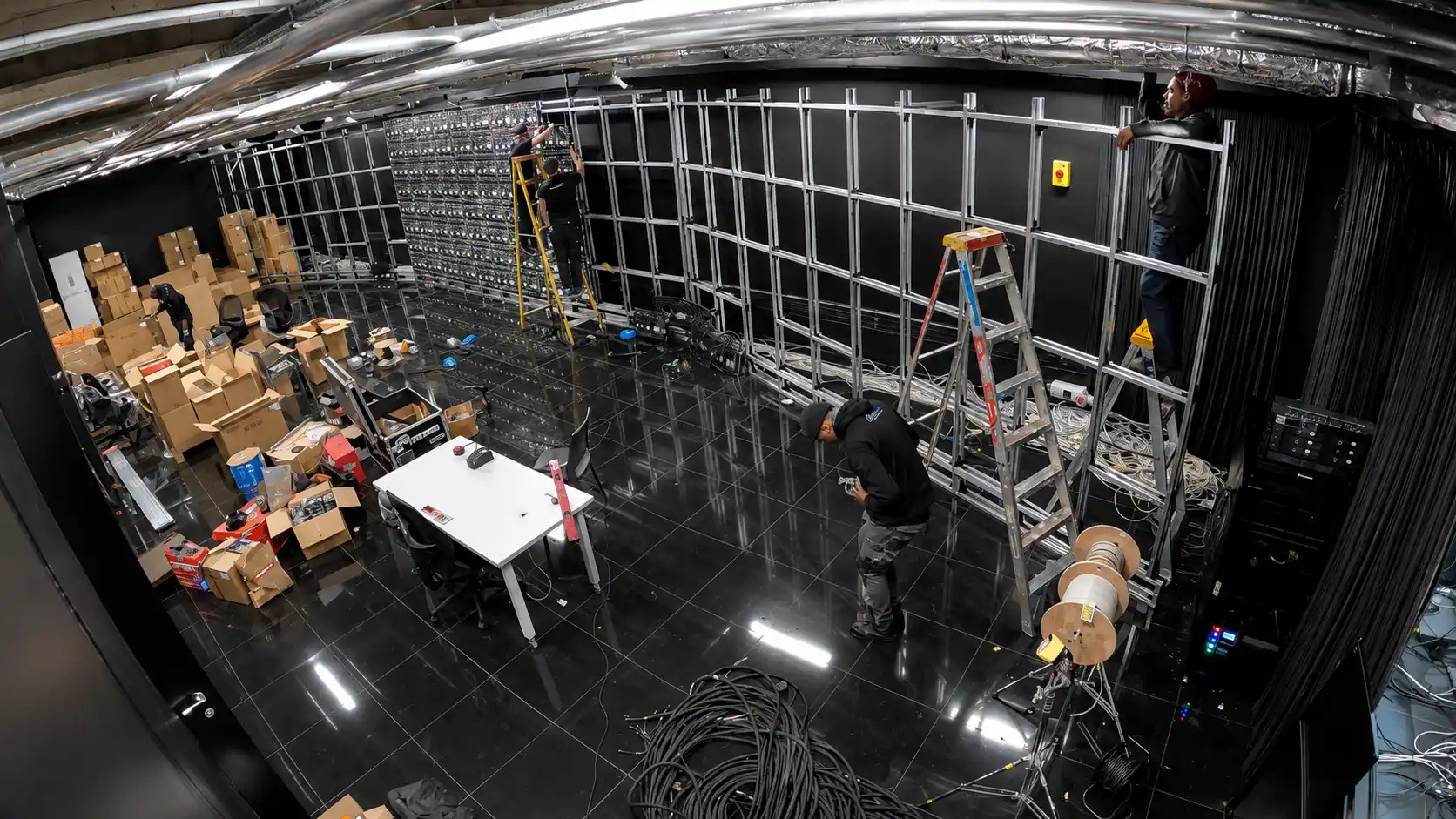

The same discipline extends into newer, more complex territory: LED volumes, virtual production stages, motion-tracked studios that fuse broadcast-grade signal infrastructure with real-time rendering engines.
The build gets more complicated, the stakes get higher, but the underlying principle refuses to change; design the whole system before you install any part of it.
It's a simple rule, easy to skip under deadline pressure, and expensive to skip in every sense once a production is depending on the result.
If a studio, OB van, or control room build or upgrade is on the horizon, the conversation with Visual Impact's systems integration team is worth having before the cable spool arrives, not after.
Stay Informed with
Top Headlines