A Day in the Life Working on a VR Production
15 Oct, 2025

12 mins read
Reality television might look spontaneous on screen, but behind the scenes, it’s one of the most technically complex formats in modern production. From multiple camera angles capturing unscripted moments to remote-controlled PTZ systems and robust engineering infrastructure, reality TV relies on carefully designed workflows that allow crews to capture everything without interrupting the action.
At Visual Impact, multicam production isn’t just about having more cameras. It’s about designing reliable systems that ensure no key moment is missed, whether the production is happening in a studio, on location, or across multiple environments simultaneously.
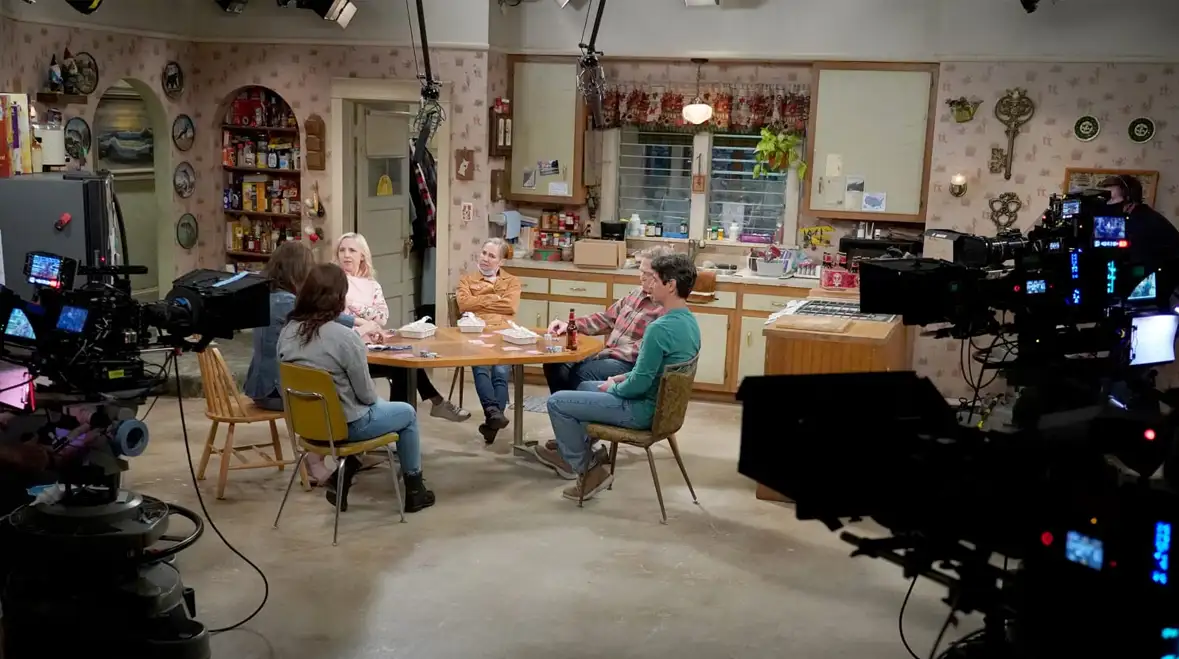
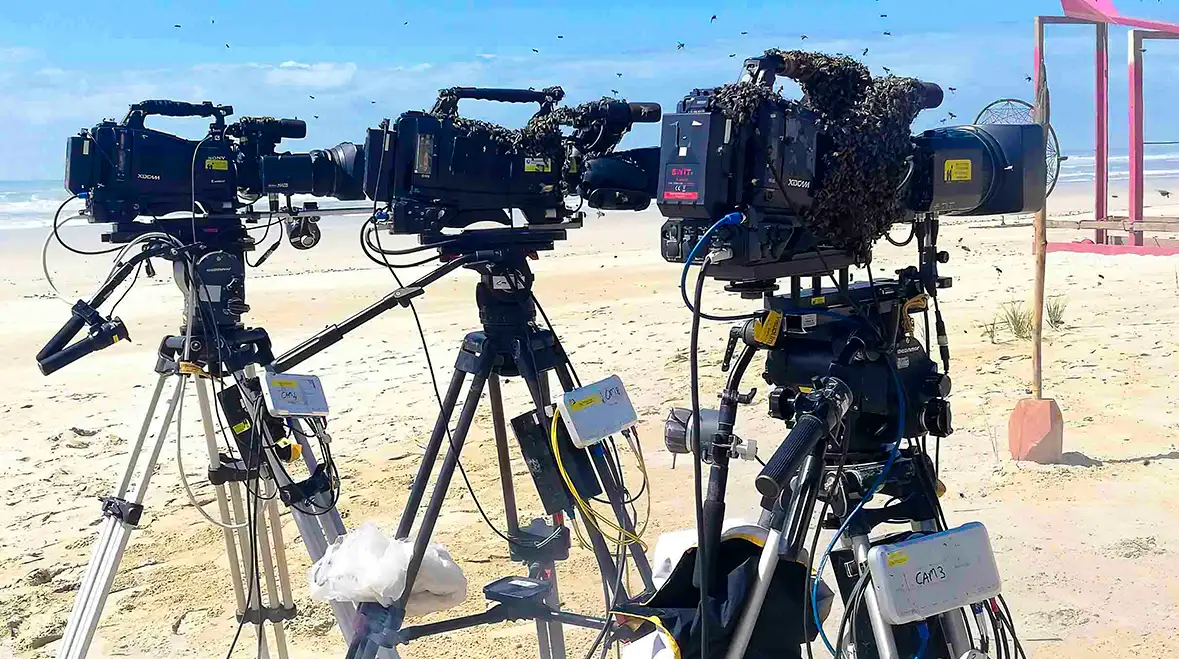
Multicam (multi-camera) production refers to the use of multiple cameras recording simultaneously to capture different angles of the same scene. In reality TV, this is essential because moments unfold unpredictably – reactions, conversations, and conflicts happen in real time, often across several spaces.
Instead of resetting shots or repeating scenes, multicam workflows ensure every key angle is captured live.
Typical multicam setups may include:
Wide master shots capturing the overall environment
Close-ups focused on key participants
Reaction cameras picking up emotional responses
Moving cameras tracking action
Fixed-position cameras capturing continuous coverage
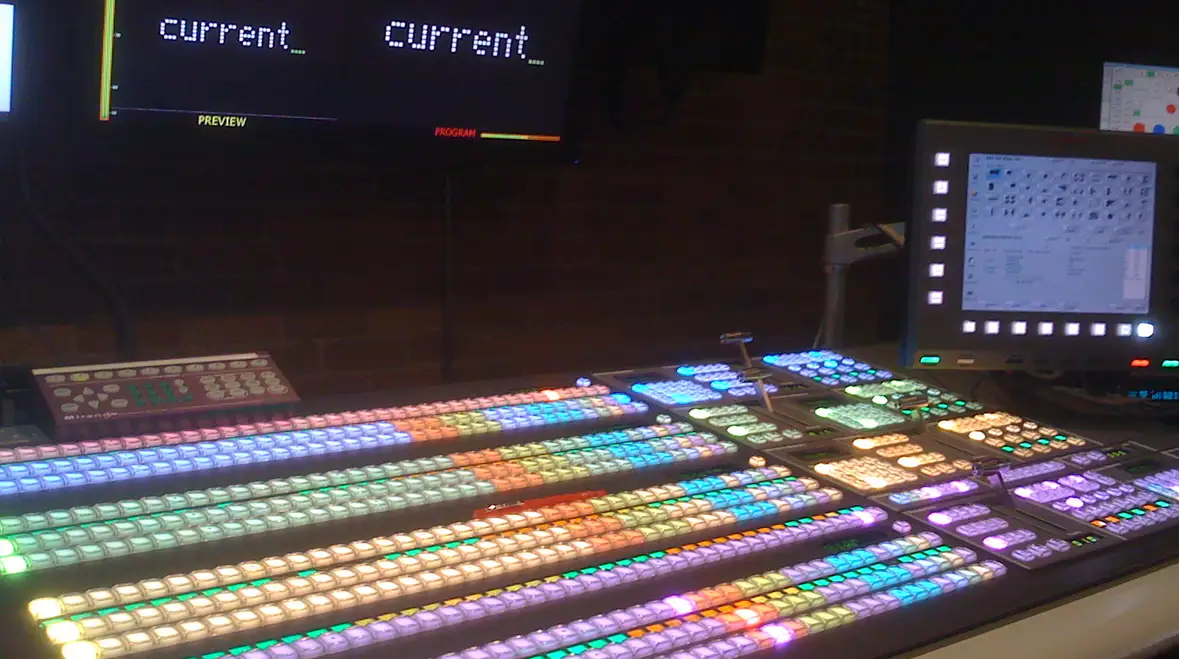
All feeds are routed into a central system where directors or vision mixers can monitor and switch between angles, either live or in post-production. The result: seamless storytelling built from multiple perspectives.

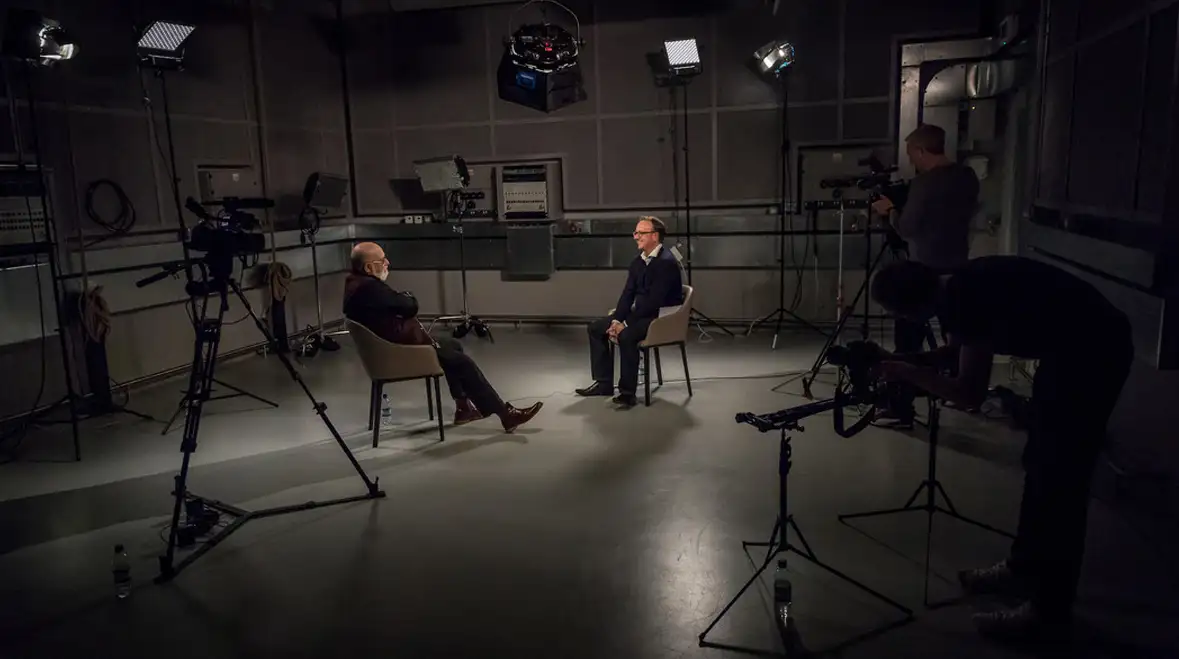
Reality TV pushes equipment harder than most formats. Productions often run long hours, across challenging environments, with little tolerance for technical failure.
Unlike controlled commercial shoots, reality productions require systems that are:
Highly reliable over long recording periods
Able to manage large volumes of video data
Flexible enough to adapt to changing environments
Scalable across multiple locations
Supported by rapid technical troubleshooting
This is where engineering expertise becomes a differentiator. Visual Impact’s workflow design considers power distribution, signal routing, redundancy planning, and data management from the outset, ensuring productions can keep rolling even under unpredictable conditions.
In complex productions, recording systems may run continuously for extended periods, capturing multiple camera feeds simultaneously while ensuring footage remains organised and accessible for post-production teams.
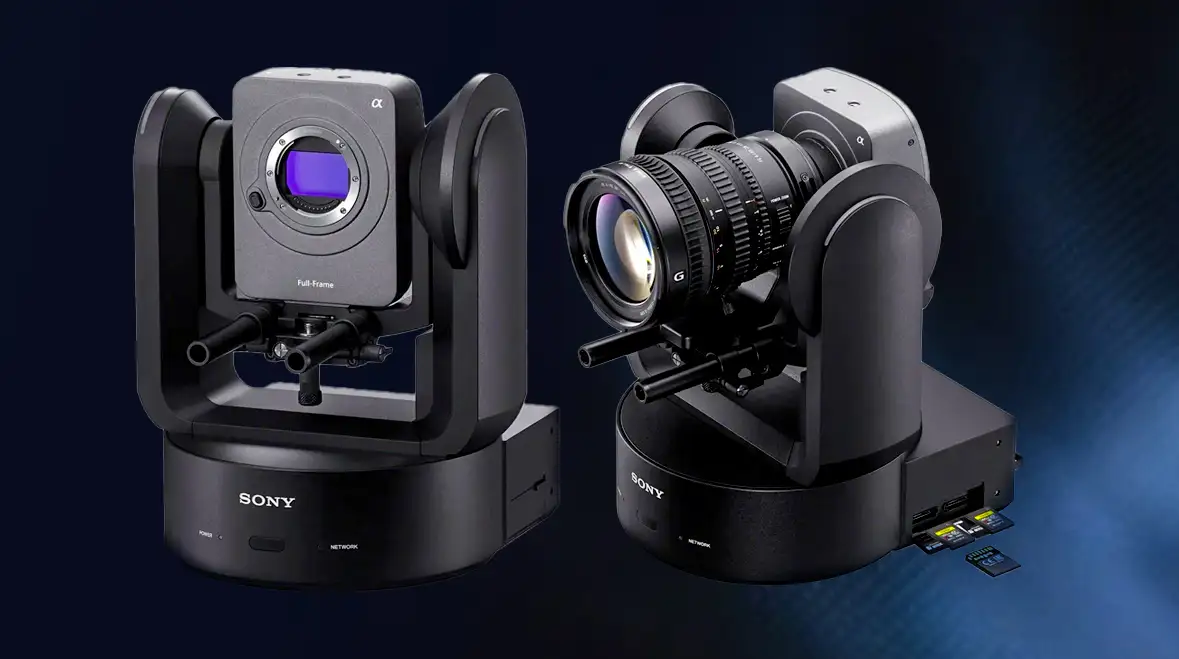

PTZ (Pan-Tilt-Zoom) cameras have become an increasingly valuable tool in reality TV production.
These remotely controlled cameras allow operators to adjust framing, movement, and zoom without needing a physical camera operator in the room. Controlled from a central station, PTZ cameras can discreetly capture multiple angles, helping preserve participants' authentic behaviour.
Advantages of PTZ systems include:
Reduced crew footprint in sensitive environments
Remote operation across multiple cameras simultaneously
Consistent framing across repeated setups
Cost-efficient multicam coverage
Ability to capture spontaneous moments without interruption
Traditional camera operators remain essential for dynamic movement and cinematic shots, but PTZ systems expand what productions can achieve, particularly in confined spaces or scenarios requiring minimal intrusion.
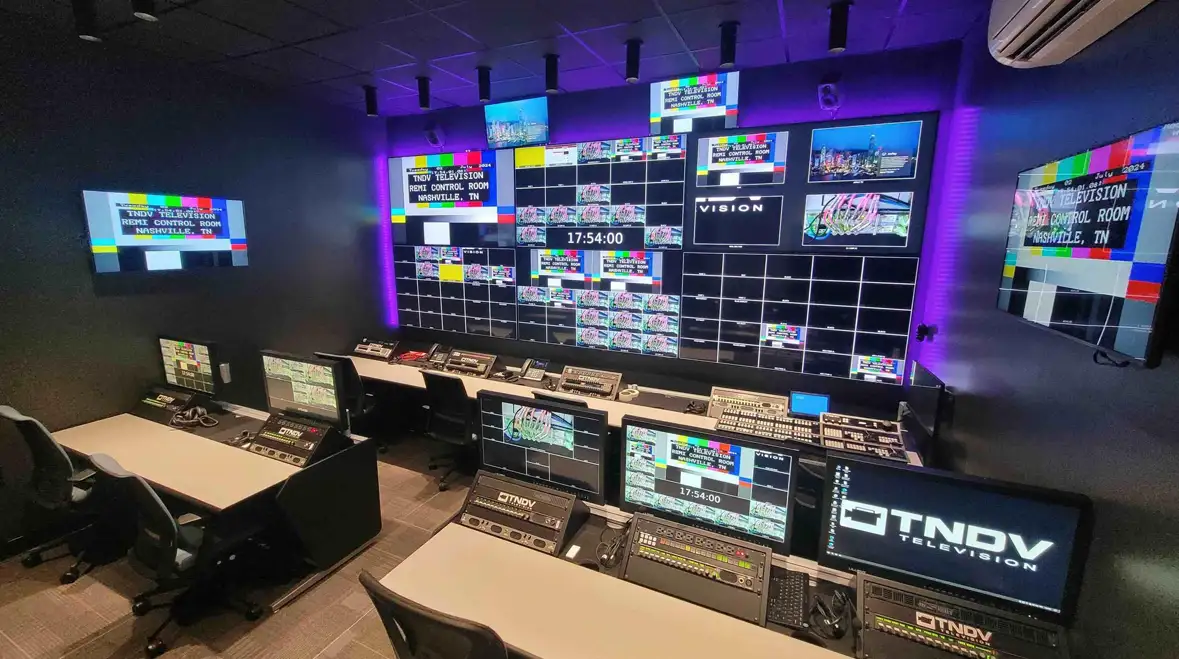
Capturing multiple angles at once requires a coordinated technical ecosystem working behind the scenes.
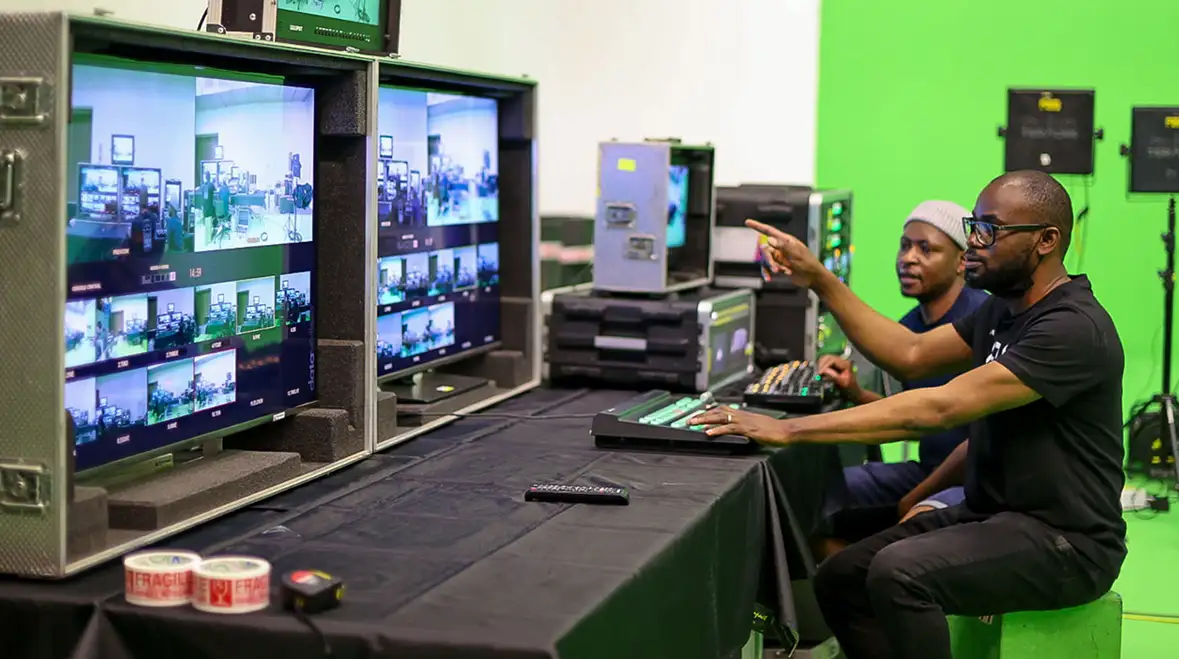
Each camera feed is transmitted to a central control system, where feeds can be recorded individually (ISO recording) and/or switched live using a vision mixer.
Typical multicam workflow includes:
Cameras positioned strategically across the set or location
Video signals routed via SDI or IP infrastructure
Synchronised recording across all camera feeds
Monitoring through multi-view displays
Live switching for broadcast or post-production editing
Modern workflows increasingly incorporate high-speed network storage systems, enabling teams to access footage quickly and maintain efficient data pipelines from set to edit suite.
This level of coordination ensures editors have maximum flexibility when shaping the final story.
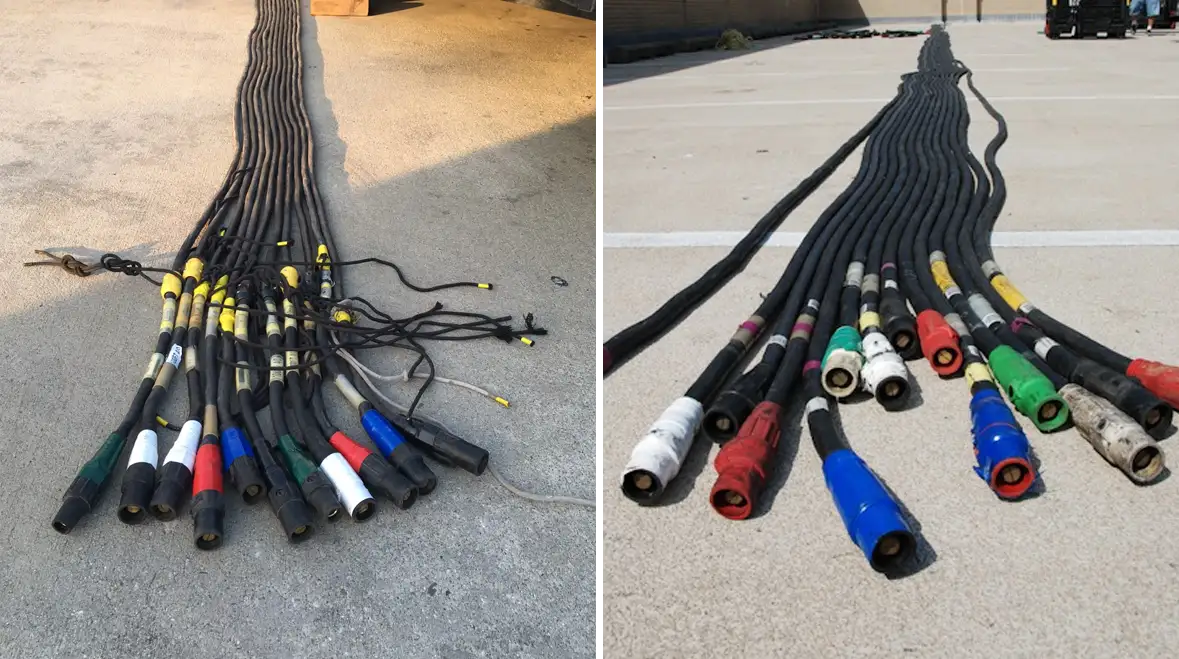
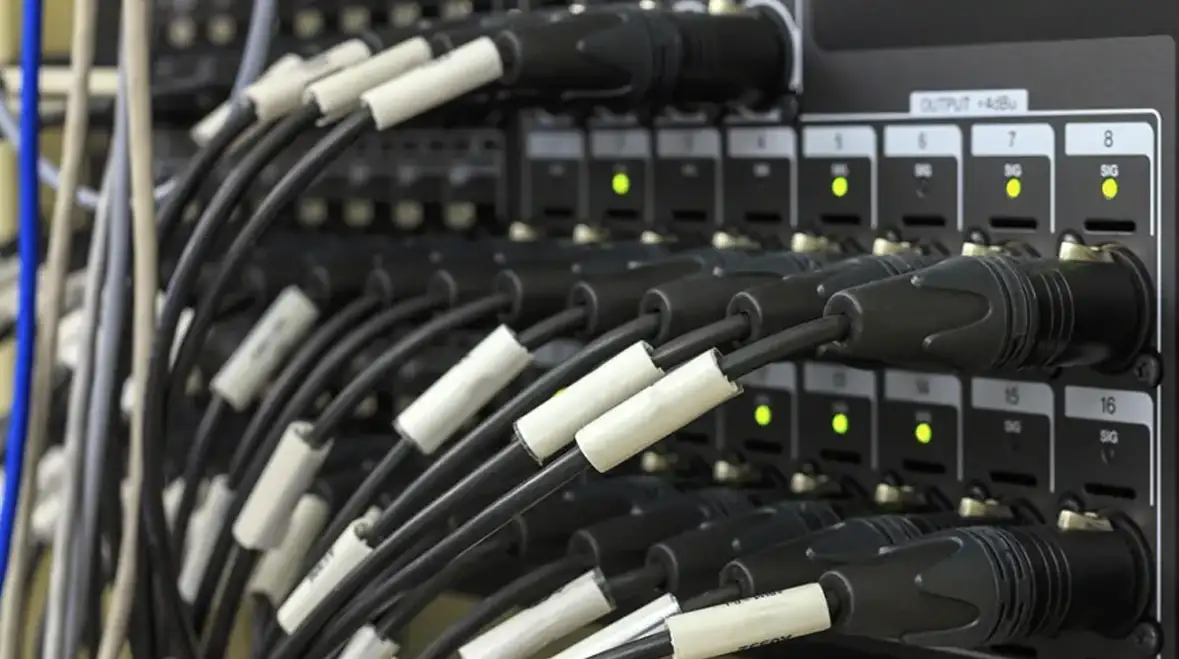
Reality productions often operate under tight schedules, with minimal opportunity to pause filming. Technical systems must therefore be designed for resilience.
Key considerations include:
Power distribution
A stable power supply is critical when multiple cameras, monitors, recorders and lighting systems operate simultaneously. Professional-grade distribution ensures consistent output across the entire setup.
Data management
Multicam productions generate significant volumes of footage. Efficient storage, backup and transfer workflows ensure production teams can manage media without bottlenecks.
Reliability and redundancy
Backup systems minimise the risk of downtime. Engineering teams design workflows that allow productions to continue even if individual components fail.
Scalability
Reality productions often evolve during filming. Flexible infrastructure allows for the quick integration of additional cameras or equipment.
Visual Impact’s in-house engineering workshop provides an additional layer of assurance: equipment can be tested, maintained, and repaired rapidly, reducing production risk and avoiding costly delays.
When reality TV works well, viewers never think about the technology behind it. Conversations feel natural, moments feel authentic, and stories unfold seamlessly.
But behind every unscripted scene is a carefully engineered multicam workflow designed to capture the unpredictable.
From PTZ camera systems to robust data pipelines, the success of reality television depends on the invisible collaboration between creative teams and technical specialists.
And that’s where the right production partner makes all the difference.
Email: reality@visuals.tv
Call: 021 468 6000

Visual Impact South Africa is one of the largest broadcast and film equipment rentals, sales and service companies in South Africa. As part of the international Visual Impact group of companies, we have access to a wide range of equipment and in-house technical expertise.
Visual Impact South Africa, with offices in Johannesburg and Cape Town, provides broadcast and production equipment rentals, workflow solutions, and technical support across Africa, including mobile editing and data management services. The company represents leading global brands such as Sony, ARRI, RED, Canon, and Blackmagic Design, and has facilitated major reality TV productions like I’m a Celebrity, Idols SA, MasterChef SA, and The Bachelor Germany.
Follow Us