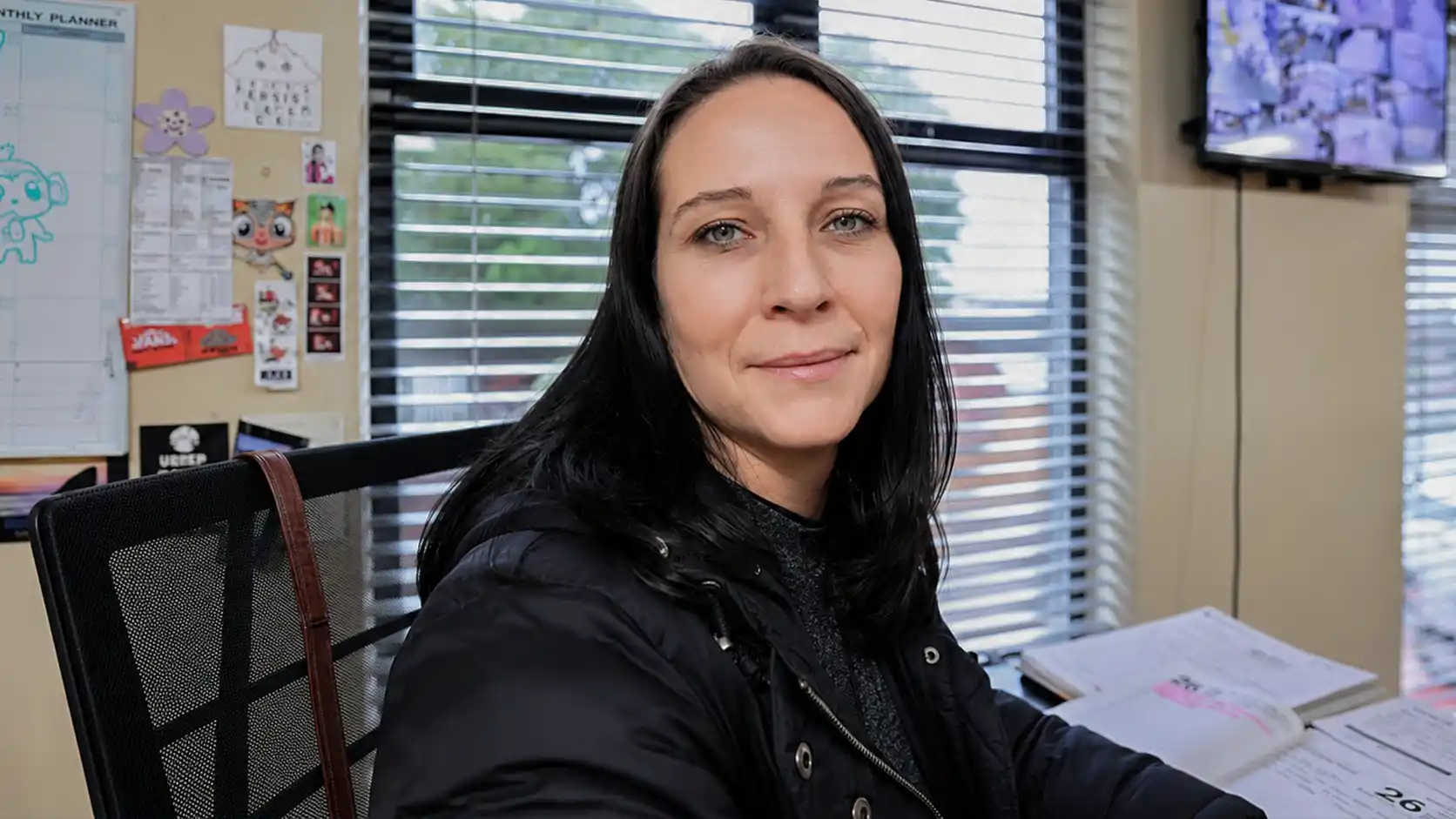
In broadcast, clients often begin with price. That is understandable. Budgets are tight, expectations are high, and many productions are under pressure to deliver more with less. But from Zelda Wilson’s perspective, the real decision should never rest on price alone. The better question is whether a supplier understands the production, the workflow, the long term ownership costs, and the real world pressures that come after the quote is approved.
That outlook shapes how Zelda thinks about sales at Visual Impact. For her, the company’s role is not simply to sell or rent a piece of equipment. It is to guide clients toward the right solution, backed by practical experience, research, engineering support, and an understanding of how the system will actually be used. In her view, the strongest client relationships are built when a supplier helps productions achieve the right result in the most economical way possible without sacrificing quality.
This is one of the clearest ways Visual Impact separates itself from suppliers who simply move boxes. Zelda’s view is that equipment on its own is never the full answer. What matters is how all the components work together in a dependable workflow. That is especially true in environments where clients are trying to balance performance, budget, mobility, integration and long term reliability. A high end camera, for example, means very little if the storage, power, monitoring and support infrastructure around it are not properly considered. The mistake many clients make is to focus on the headline product while underestimating the wider system needed to make that product perform well.
That is also why in house engineering matters so much to her. Zelda sees Visual Impact’s engineering and repair capability as a major differentiator because it gives clients confidence long after the initial sale or rental. The company is able to offer faster turnaround times, practical support, and repairs at component level where possible rather than defaulting to expensive module replacement. More importantly, Sales, Rentals and Engineering work together as an ecosystem. A client may come in through one department, but the benefit is a wider support structure that includes technical advice, maintenance, loan equipment where possible, faster troubleshooting and stronger continuity when problems arise. For a client under production pressure, that kind of joined up support can make a significant difference.
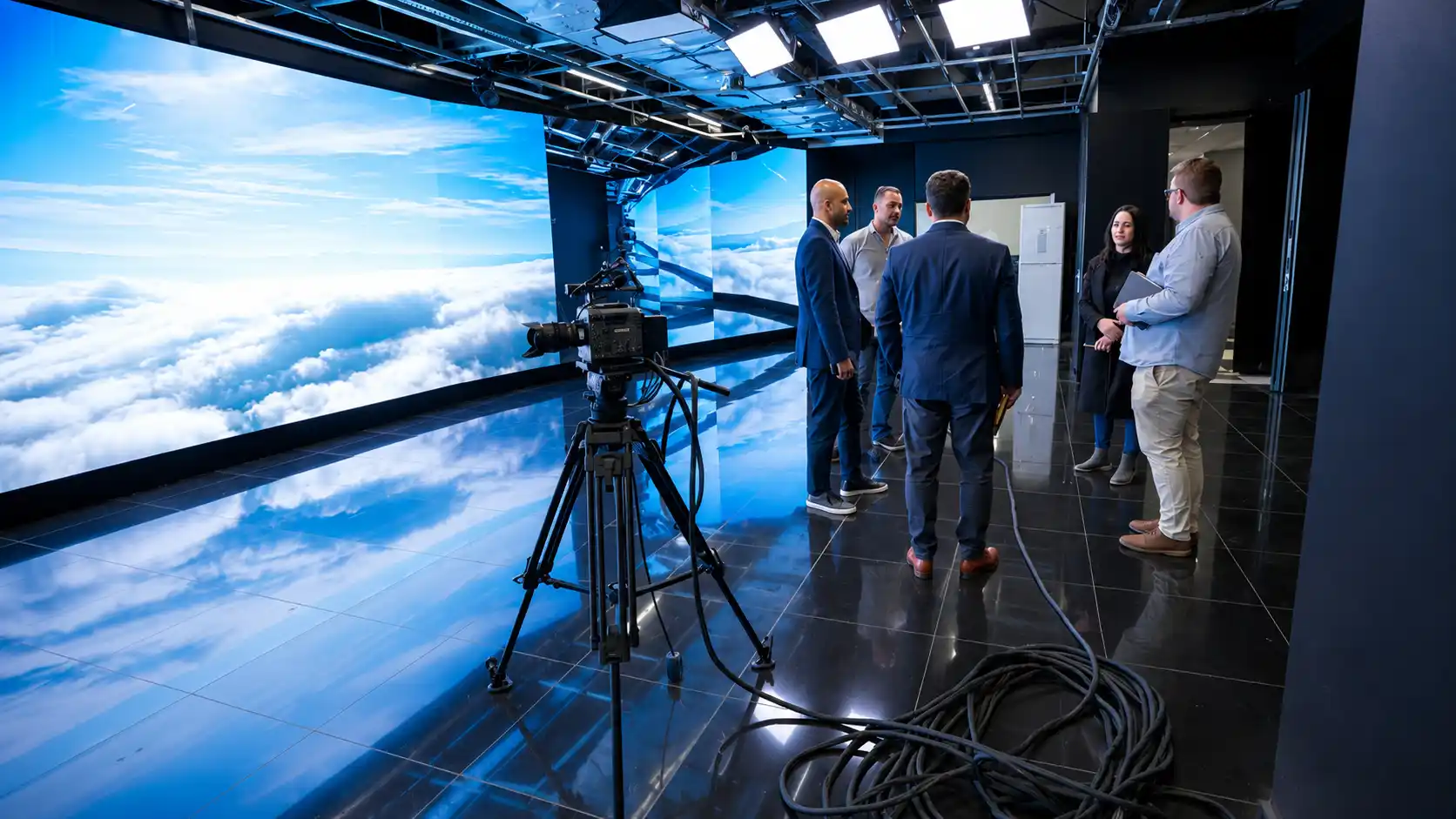
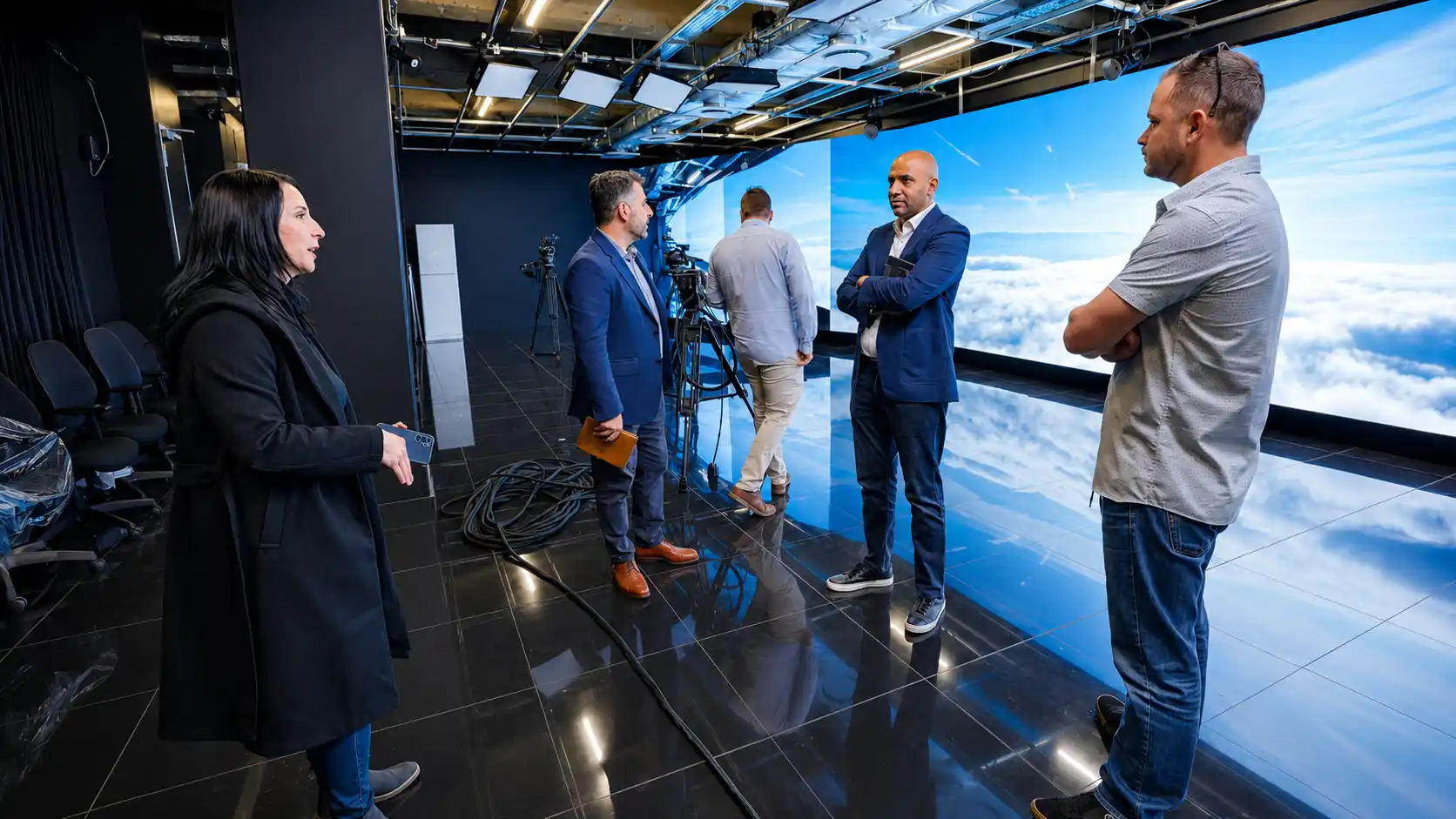
This thinking becomes even clearer when Zelda talks about integrated projects. One example she points to is the Media24 virtual studio, the biggest virtual project Visual Impact had delivered at that stage. What made it significant was not simply the technology involved, but the fact that it required the team to understand how multiple unfamiliar systems would work together as one stable end to end workflow. It involved camera tracking, rendering systems, broadcast infrastructure, control systems, integration and logistics, all while also making strategic use of equipment the client already owned. For Zelda, that project stands out because it was not an off the shelf installation. It was a flexible, future ready production environment shaped around the client’s actual operational needs.
The Media24 project also remains one of the most personally satisfying of her career at Visual Impact. Part of that was due to its technical complexity and the high level of learning, coordination, and systems thinking it required. But most of all, it stands out because it showed what can happen when Visual Impact is trusted to help shape a complete solution rather than merely supply equipment. It reinforced a core belief of hers: long term value is created when clients think in terms of workflow, scalability and return on investment, not just item by item pricing.
The Hollywoodbets OB solution offers another good example of that philosophy. Zelda sees it as a classic case of systems thinking. Rather than duplicating expensive fixed control room infrastructure at every racetrack, the smarter answer was to build a mobile OB model that could move between venues. Although the upfront investment in an OB van is substantial, the long term value is far stronger. It reduces duplicated infrastructure, improves utilisation, creates more flexibility and opens the door to future fleet growth and redundancy. For her, the value of that kind of solution is not only financial. It shows that Visual Impact starts with the end goal and then builds the right ecosystem around it, often in collaboration with the right technical and sales partners, rather than forcing the client into a standard stack.
That collaborative mindset is important to how Zelda sees the business. She does not frame Visual Impact as a company that has to do everything alone. She frames it as a company that understands how to coordinate the right technologies, the right partners and the right operational outcome. In other words, the company acts more like a solution architect than a simple equipment provider.
This long term view also shapes how she thinks about ownership. Professional equipment is not just a purchase. It is an ongoing technical responsibility. Firmware updates, maintenance, safe transport, good storage and access to support all matter if the equipment is going to perform reliably over time. Clients often underestimate this. They may focus on the initial cost while missing the importance of uptime, servicing, protection and technical backup. Zelda’s perspective is that long term technical ownership should always be part of the buying conversation, because value is created over years of dependable performance, not just on the day of delivery.
Her broader view of Visual Impact is therefore quite simple. The company works best when it is helping clients think beyond the box and beyond the quote. Whether the project involves a virtual production studio, a mobile OB solution, a fly away kit into another Southern African territory, or a more conventional broadcast requirement, the real value lies in combining the right equipment, the right workflow, and the right support structure behind it.
For Zelda Wilson, that is what long term client value really means. It is not about the cheapest line item. It is about confidence. Confidence that the system has been properly thought through. Confidence that there is real engineering support behind the equipment. Confidence that the supplier understands the workflow, the production pressures and the client’s broader goals. And in the end, that is what turns a transaction into a partnership.
Stay Informed with
Top Headlines