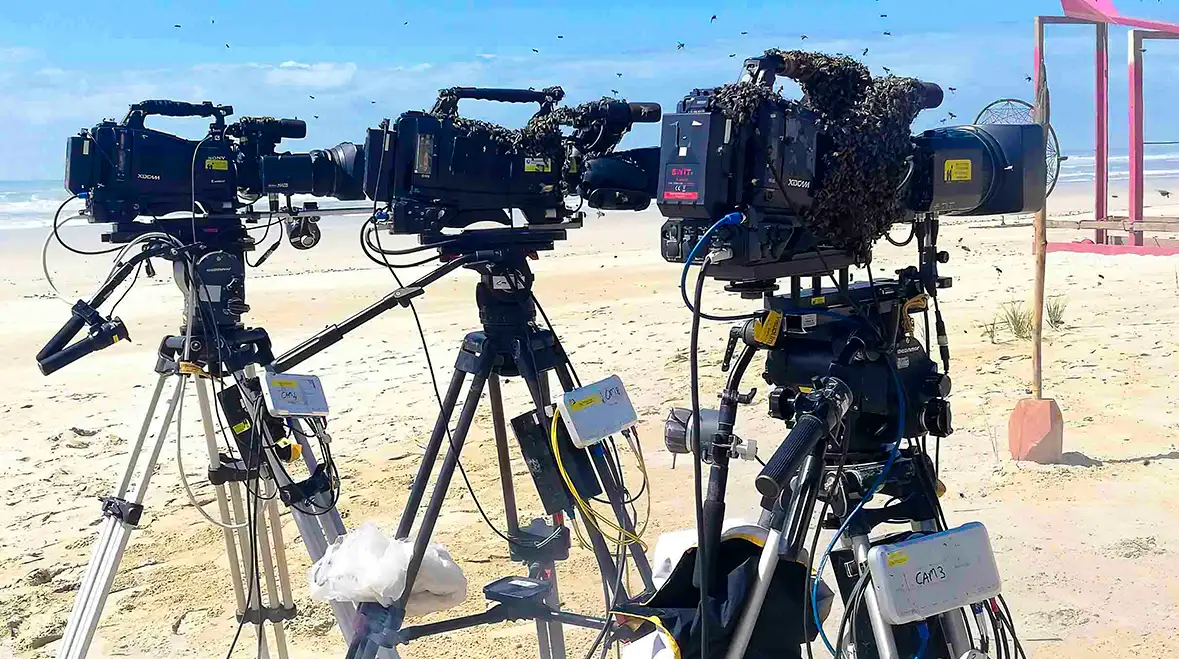
What happens between "yes, we have that in stock" and a clean multicam feed at 6am?
That's the gap most people don't think about when they book a light or a camera. It sounds simple, right up until the truck is loaded, the location has one 15-amp outlet, and the client is expecting flawless coverage before sunrise.
The difference between a rental house and a broadcast rental engineering partner lives entirely in that gap: everything that happens once the gear leaves the shelf and has to actually work on someone else's set, under someone else's deadline.
It Starts Before the Gear Leaves the Building
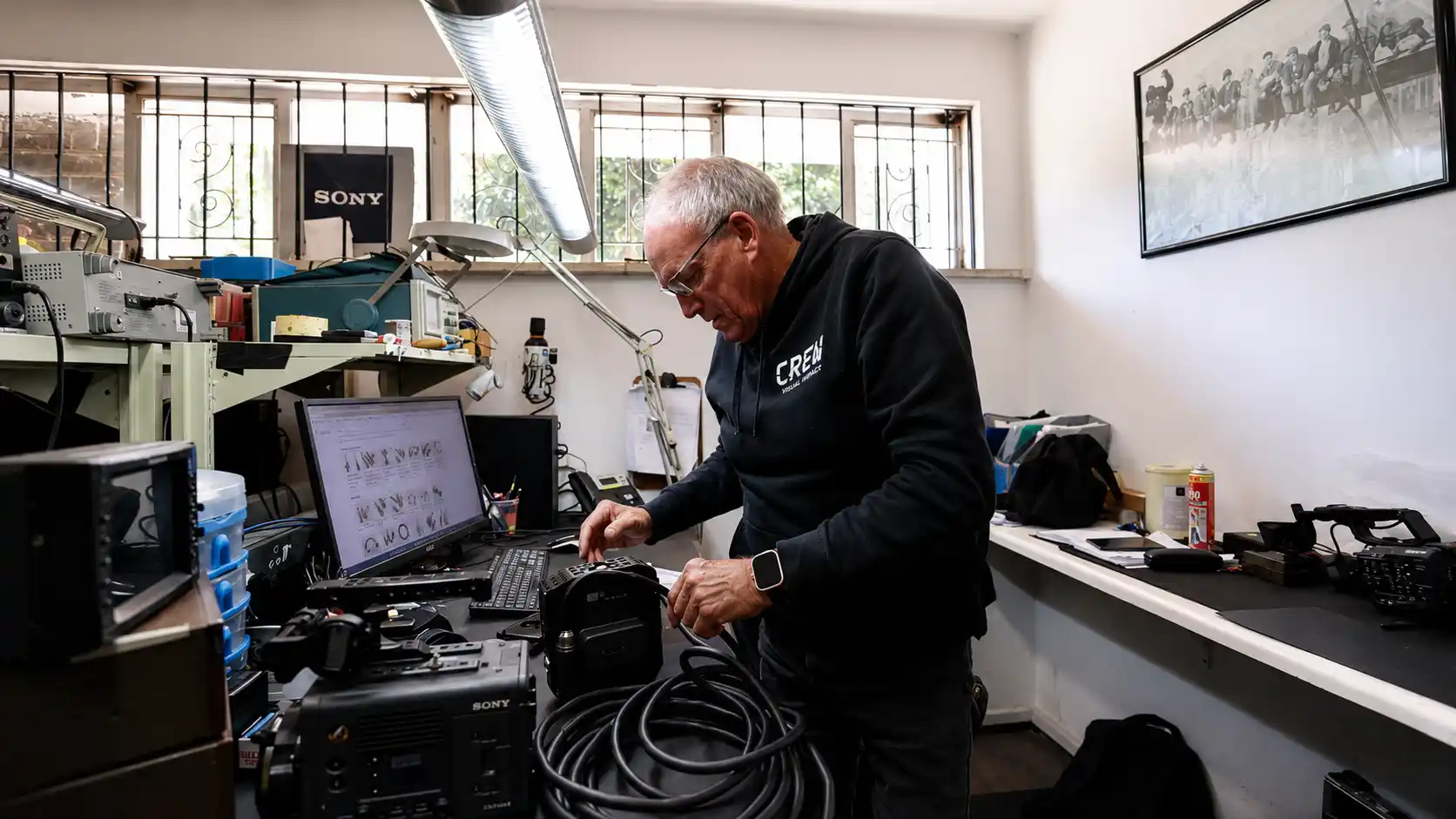

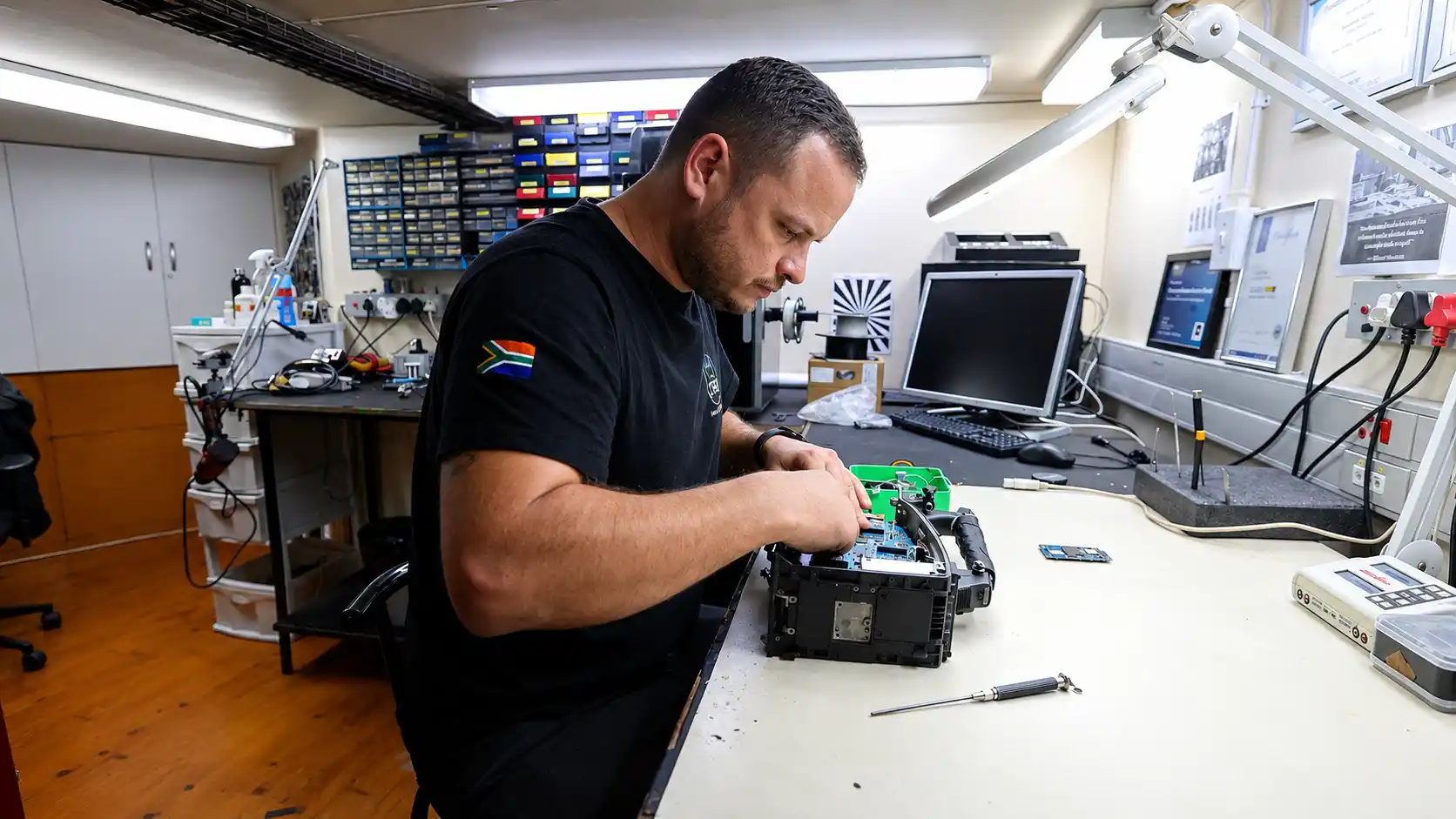
Every fixture, camera body, and control unit that goes out of Visual Impact's Johannesburg or Cape Town doors has already been tested under load, not just switched on and off to confirm it powers up.
“Firmware is checked against the current version. Batteries are cycled. Cabling is inspected for the kind of wear that only shows up on day four of a six-week shoot, not day one in a warehouse.” – Tom Van Grening, Head Engineer
It's unglamorous work, and it's easy to overlook precisely because it's designed to be invisible.
But it's also the entire reason a production doesn't lose an afternoon to a fixture that looked perfectly fine the day it left the building.
Redundancy Is a Plan, Not an Afterthought

Ask any gaffer what actually separates a good rental partner from a great one, and the answer is rarely about the headline spec sheet. It's about what happens when something fails at 2pm, with the light already going and no time to source a replacement.
“When you are home after a 13-hour shift and the client phones you telling you that the panel died and is not controlling the switcher. Only to get there 45min later to see that someone has unplugged the POE injector to charge their phone.” – Roedolph Loew, Head Engineer
Visual Impact's engineering team builds power distribution plans, backup fixture allocations, and failure contingencies into a rental brief before a single case is packed. Not as an insurance policy sold separately, and not as a premium add-on – as standard practice, for productions that genuinely cannot afford a reshoot.
Power Planning for South African Conditions
Generator power, unreliable grid supply, and remote locations aren't edge cases in this market; they're Tuesday. Rental engineering, done properly, means specifying the right power distribution for the site before the crew arrives, accounting for voltage fluctuation, and briefing teams on load balancing before it becomes a problem mid-shoot rather than after.
It's the same reasoning behind why IP-rated, heat-tolerant fixtures, the NANLUX Evoke range among them, feature so heavily in Visual Impact's recommendations for outdoor and location work across the continent.
The gear has to survive the conditions it's actually going to meet, not the conditions it was tested in. – Tom Van Grening, Head Engineer
The Engineer Is Part of the Kit

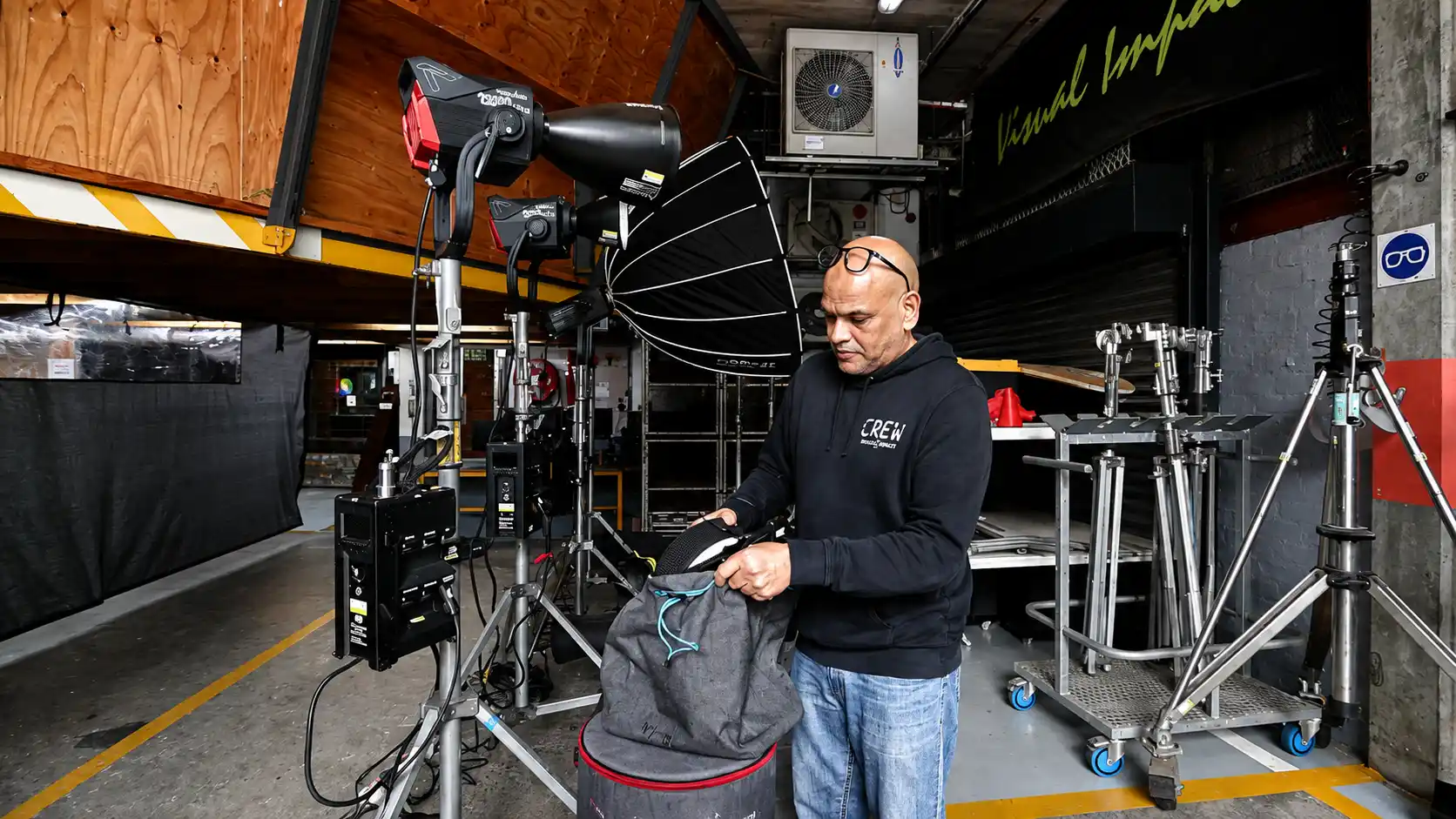
A rental booking from Visual Impact includes something a spec sheet can't list: access to the people who understand why a fixture behaves the way it does in the first place, not a call centre that can only process a return.
When a production calls with a technical question mid-shoot, the person on the other end of the line has usually tested that exact unit themselves.
That's what rental engineering is supposed to mean: the difference between hiring equipment and hiring a team that knows it. And it's a large part of why productions across Africa keep coming back to the same rental desk (ours), shoot after shoot.
Planning a production and want a rental partner who thinks about the whole day, not just the gear list? Get in touch with the Visual Impact sales and rental team.
Stay Informed with
Top Headlines