Ask most broadcast clients what they remember about a production, and they'll talk about the shoot. Ask what they remember about the week after, and the answer is usually quieter: whether the footage arrived where it needed to be, in the format it needed to be in, without anyone chasing a drive at 11pm.
That second part is where Visual Impact spends much of its engineering time, and it's the part clients notice least until it goes wrong.
Workflow Starts Before a Single Frame Is Shot
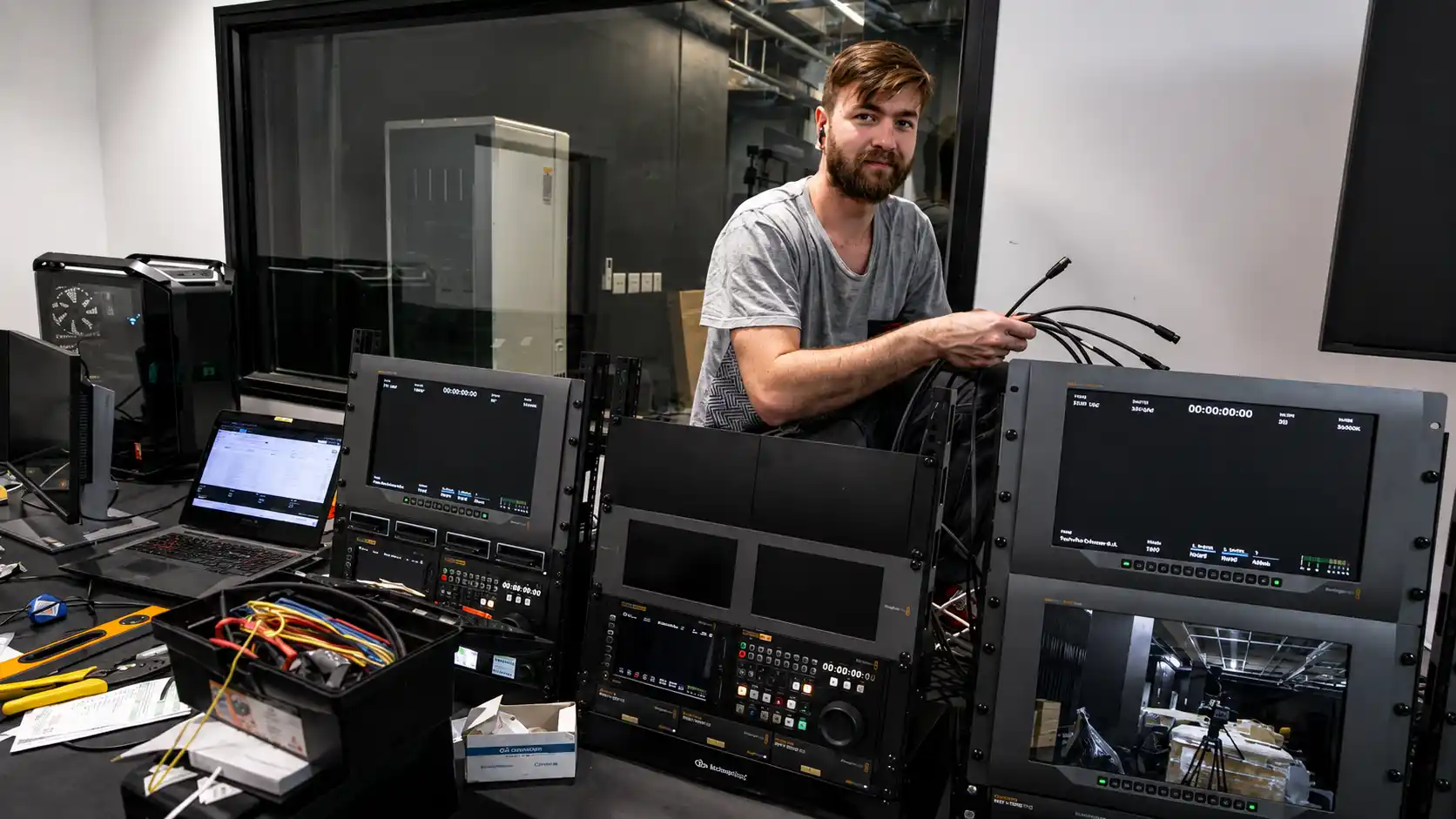
For Visual Impact's broadcast clients, the workflow isn't something that gets figured out on the day. It's mapped in advance, by an engineer who's already thought through where the footage goes, how it moves, and what has to be true about it by the time it lands in post.
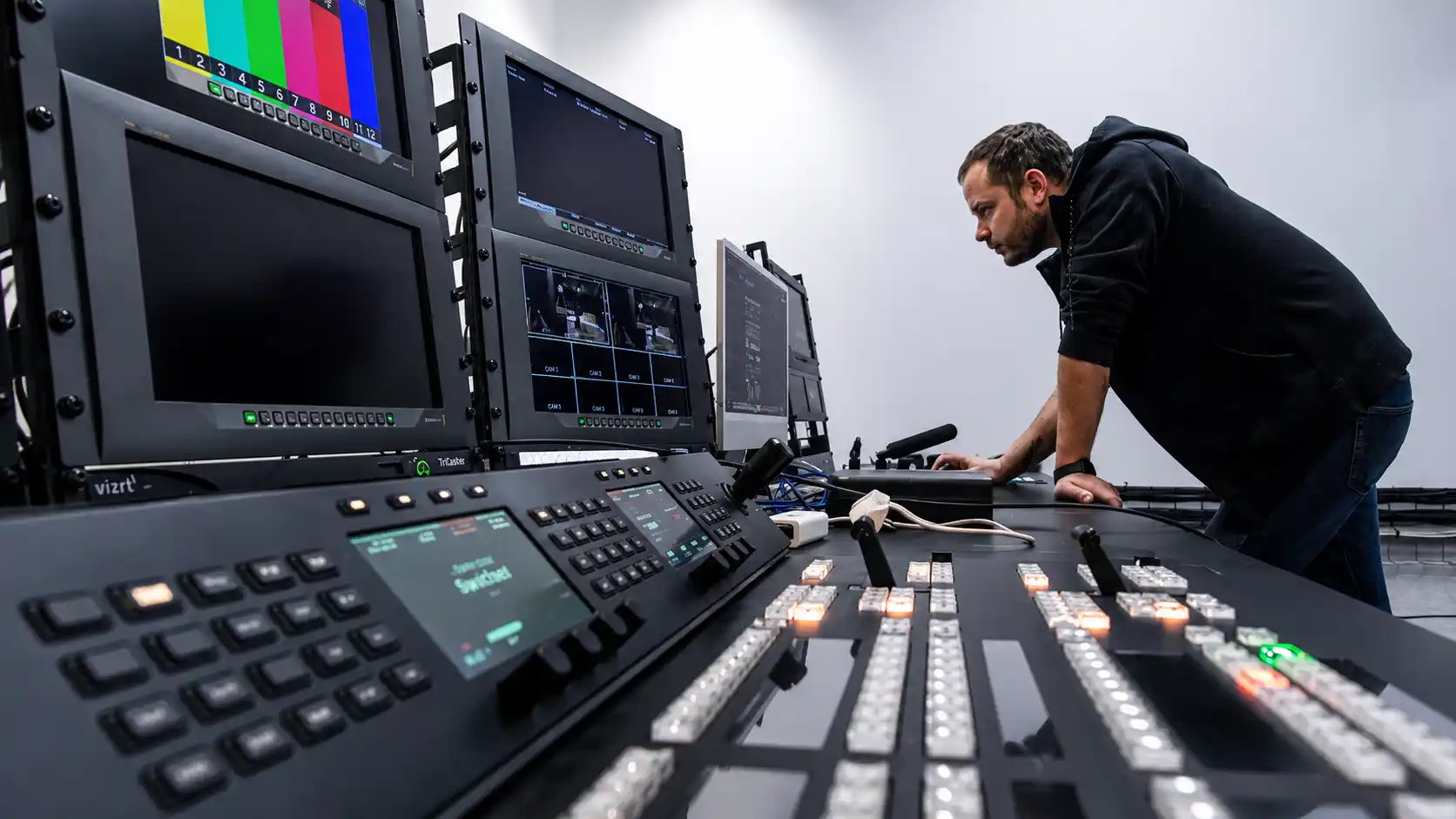
That's Roedolph Louw's job. As chief engineer, he works out the full pipeline before cameras roll: what's being recorded, where it's being backed up, how it's being organised, and how all of that ties into the data management system beneath it.
None of that is visible in the final broadcast. All of it determines whether post-production is a smooth process or a scramble.
A Data Management System Designed Around the Client's Process
The workflow only holds together because of the system behind it. Visual Impact has built its own data management system specifically so that broadcast clients aren't left improvising how footage gets stored, tracked, and handed off once it leaves set.
It's not a generic backup solution bolted onto the job. It's designed around how a given client's post process actually works, so that footage arrives organised the way their editors and colourists expect it, rather than the way it happened to be shot.
That distinction matters more than it sounds like it should. A client's post-production team can only move as fast as the material they're handed. When the data management system is built around their process instead of a one-size-fits-all export, the handoff stops being a bottleneck.
Built to Be Invisible When It's Working

The measure of a good workflow, broadcast or otherwise, is that nobody has to think about it. Footage is where it should be. Metadata is intact. Nothing gets rebuilt from memory three days later because a card wasn't labelled the way someone assumed it would be.
That's the standard Roedolph and the engineering team hold the system to: not that it works most of the time, but that it works quietly, every time, in a way clients stop noticing because there's nothing left to notice.
People Over Product, Still
The same principle runs through everything Visual Impact does, whether it's camera and lighting rental, systems integration, or the data management infrastructure behind a broadcast workflow: the technology is only ever half the story. The engineer who designed how it all fits together is the other half, and that's usually the reason a client calls Visual Impact again before the next job has even been booked.
It's easy to overlook the workflow when it's working. That's rather the point.
Workflow design and data management, broadcast production: with Visual Impact, it's part of the build, not a service booked on the side.
Stay Informed with
Top Headlines